
Jagannath Rath Yatra 2026: Date, History, Significance, Rituals & Complete Schedule
 Durgesh Sagar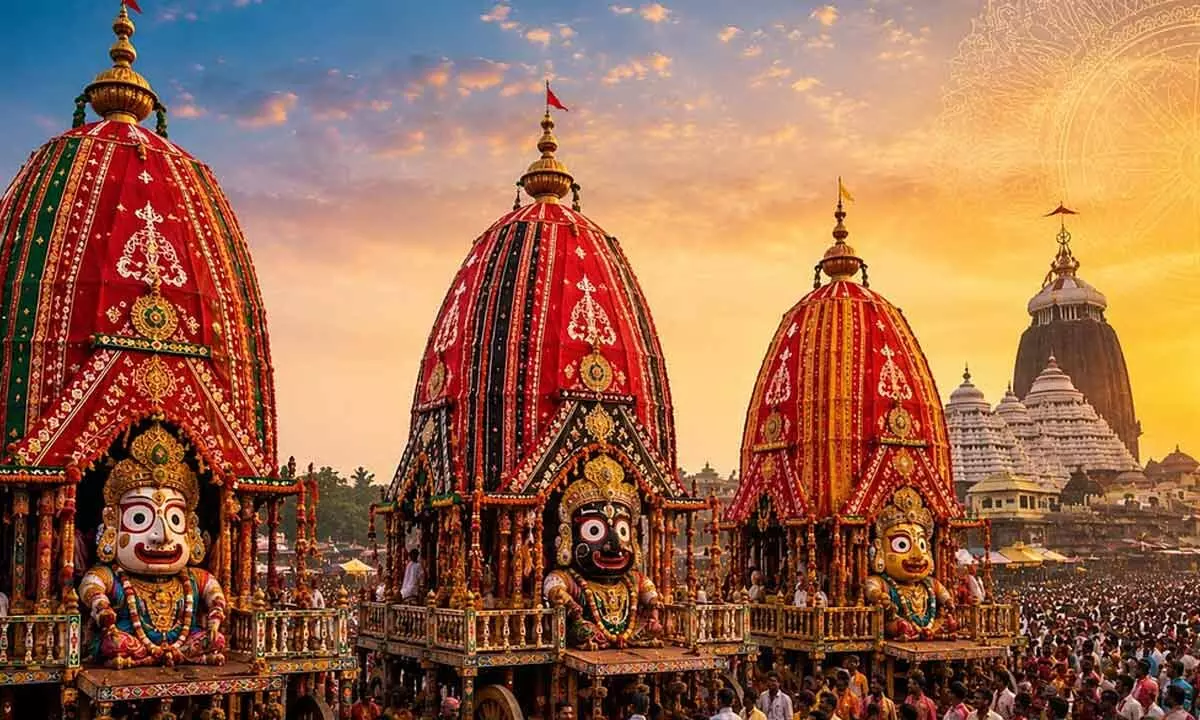
Jagannath Rath Yatra 2026
Jagannath Rath Yatra 2026
Jagannath Rath Yatra is one of India’s most sacred and spectacular Hindu festivals. Every year, millions of devotees gather in Puri, Odisha, to witness Lord Jagannath, Lord Balabhadra, and Goddess Subhadra embark on their divine journey from the Jagannath Temple to the Gundicha Temple.
In 2026, the grand Rath Yatra will begin on Thursday, 16 July 2026, attracting devotees from across India and around the world. The festival is not only a symbol of devotion but also represents equality, unity, and the belief that God comes out to bless everyone without discrimination.
Jagannath Rath Yatra 2026 Date
| Event | Date |
|---|---|
| Rath Yatra | 16 July 2026 (Thursday) |
| Hera Panchami | 20 July 2026 |
| Bahuda Yatra (Return Journey) | 24 July 2026 |
| Suna Besha | 25 July 2026 |
| Adhara Pana | 26 July 2026 |
| Niladri Bije | 27 July 2026 |
The main procession begins from the famous Jagannath Temple in Puri and concludes at the Gundicha Temple, where the deities stay for several days before returning to their original shrine.
What is Jagannath Rath Yatra?
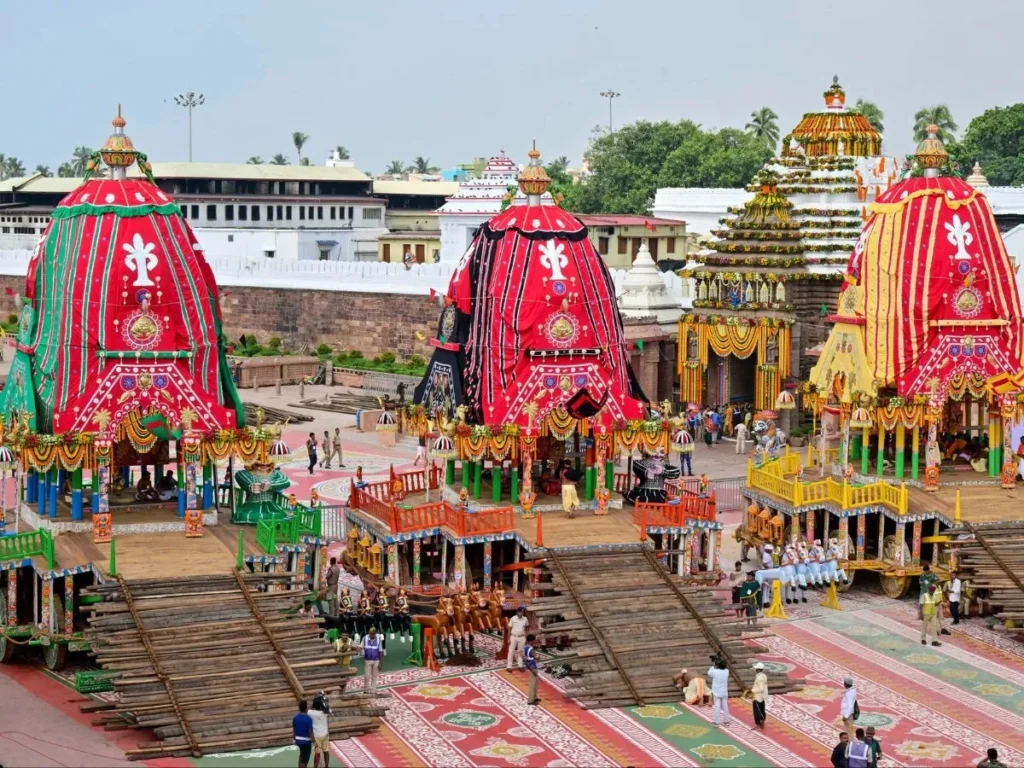
Jagannath Rath Yatra, also known as the Festival of Chariots, is an annual Hindu festival celebrated during the Ashadha month.
Unlike most Hindu festivals where devotees visit the temple for darshan, during Rath Yatra the deities themselves come out of the temple and travel among the people. This symbolizes that divine blessings are available to everyone, irrespective of caste, religion, or social status.
History of Jagannath Rath Yatra
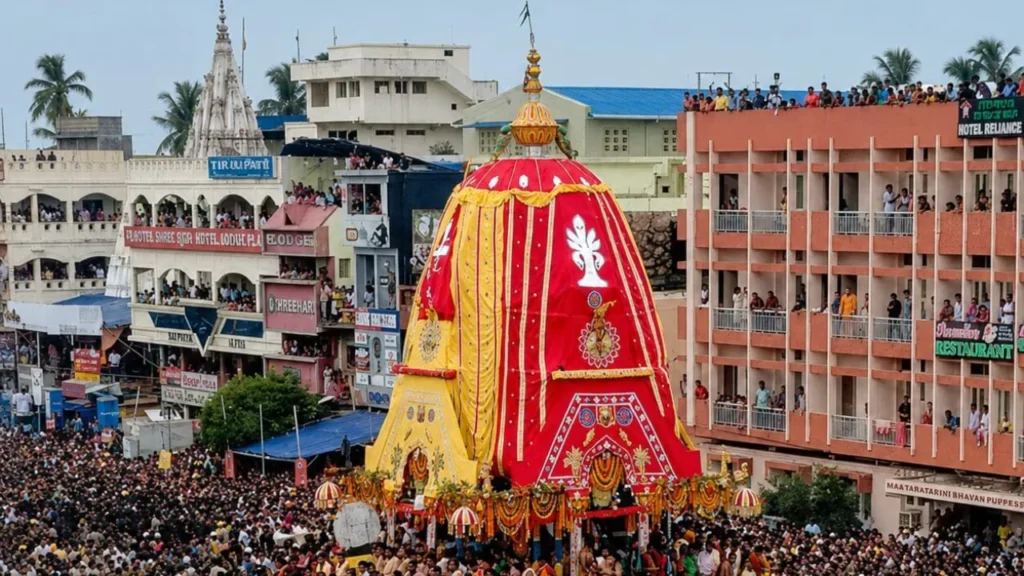
The origins of Jagannath Rath Yatra date back several centuries and are mentioned in ancient Hindu scriptures such as the Skanda Purana, Padma Purana, and Brahma Purana.
The present Jagannath Temple in Puri was built during the 12th century by King Anantavarman Chodaganga Deva. Since then, Rath Yatra has evolved into one of the largest religious gatherings in the world.
Historical accounts from foreign travelers also mention this magnificent procession, highlighting its cultural and spiritual importance over hundreds of years.
Why is Jagannath Rath Yatra Celebrated?
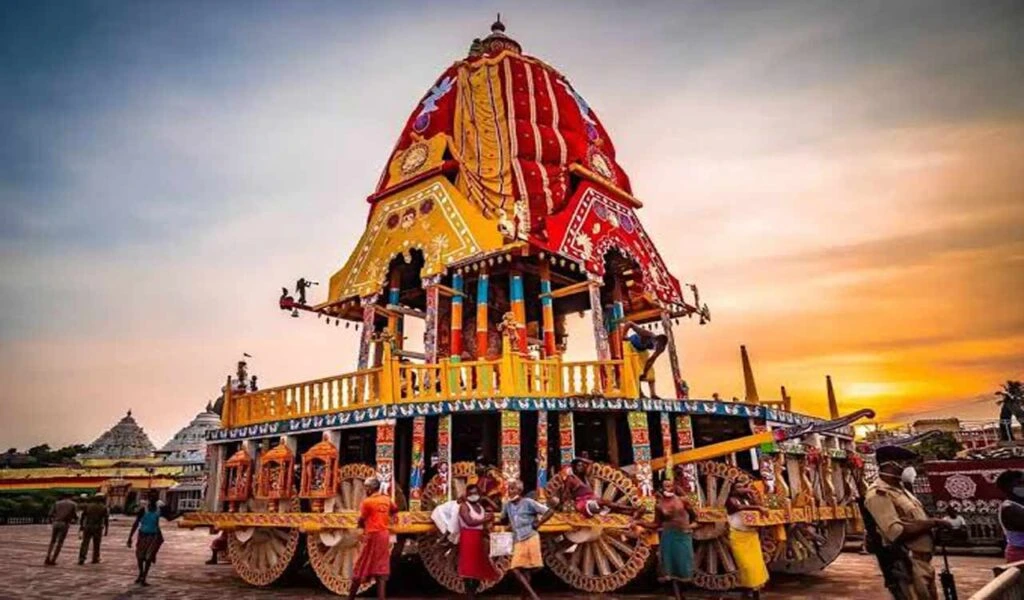
According to Hindu beliefs, Lord Jagannath, accompanied by his elder brother Lord Balabhadra and sister Goddess Subhadra, visits the Gundicha Temple every year.
This journey symbolizes:
- Lord’s love for devotees
- Annual visit to Gundicha Temple
- Equality among all people
- Removal of social barriers
- Spiritual purification
Pulling the sacred chariots is considered highly auspicious, and devotees believe it brings blessings, prosperity, and liberation from sins.
Three Chariots of Rath Yatra
Every year, three massive wooden chariots are newly constructed using traditional methods.
| Deity | Chariot Name | Height |
|---|---|---|
| Lord Jagannath | Nandighosha | Around 45 feet |
| Lord Balabhadra | Taladhwaja | Around 44 feet |
| Goddess Subhadra | Darpadalana (Devadalana) | Around 43 feet |
One of the unique traditions of Rath Yatra is that these gigantic chariots are rebuilt every year rather than reused.
Major Rituals of Jagannath Rath Yatra
Chhera Pahanra
The King of Puri performs the symbolic ritual of sweeping the chariot platforms with a golden broom. This signifies that everyone is equal before God.
Rath Yatra
The three deities begin their journey towards Gundicha Temple while millions of devotees pull the giant chariots.
Hera Panchami
A traditional ceremony associated with Goddess Lakshmi takes place a few days after the departure of Lord Jagannath.
Bahuda Yatra
The return journey of the deities back to Jagannath Temple.
Suna Besha
Lord Jagannath, Balabhadra, and Subhadra are adorned with magnificent gold ornaments.
Adhara Pana
A sacred offering of a special sweet drink is made to the deities.
Niladri Bije
The deities re-enter the Jagannath Temple, marking the conclusion of the festival.
Spiritual Significance of Rath Yatra
Jagannath Rath Yatra carries profound spiritual meaning for devotees.
The festival teaches:
- Equality before God
- Selfless devotion
- Compassion
- Humility
- Unity among people
Many devotees believe that witnessing the Rath Yatra or participating in pulling the chariots helps remove obstacles from life and brings divine blessings.
Interesting Facts About Jagannath Rath Yatra
- It is one of the world’s largest religious processions.
- Over a million devotees visit Puri during the festival.
- The chariots are newly built every year.
- No nails are traditionally used in the construction of the chariots.
- The King of Puri sweeps the chariots despite being the royal head, symbolizing humility.
- Rath Yatra is celebrated in many countries by devotees of Lord Jagannath, making it a global festival.
Frequently Asked Questions (FAQs)
When is Jagannath Rath Yatra 2026?
Jagannath Rath Yatra will be celebrated on 16 July 2026 (Thursday).
Where is Jagannath Rath Yatra celebrated?
The main celebration takes place in Puri, Odisha, although Rath Yatra is observed across India and in several countries worldwide.
Why do devotees pull the chariots?
Pulling the sacred chariots is considered an act of devotion and is believed to bring spiritual merit and divine blessings.
Which deities participate in Rath Yatra?
The procession includes Lord Jagannath, Lord Balabhadra, and Goddess Subhadra.
Conclusion
Jagannath Rath Yatra 2026 is much more than a religious procession—it is a celebration of faith, equality, and devotion that unites millions of people. The sight of the majestic wooden chariots moving through the streets of Puri, accompanied by chants of “Jai Jagannath,” creates an unforgettable spiritual experience. Whether you visit Puri in person or witness the celebrations online, Rath Yatra continues to inspire devotees across the world with its timeless message of unity, humility, and divine grace.
About the Author